Thursday, March 3, 2016

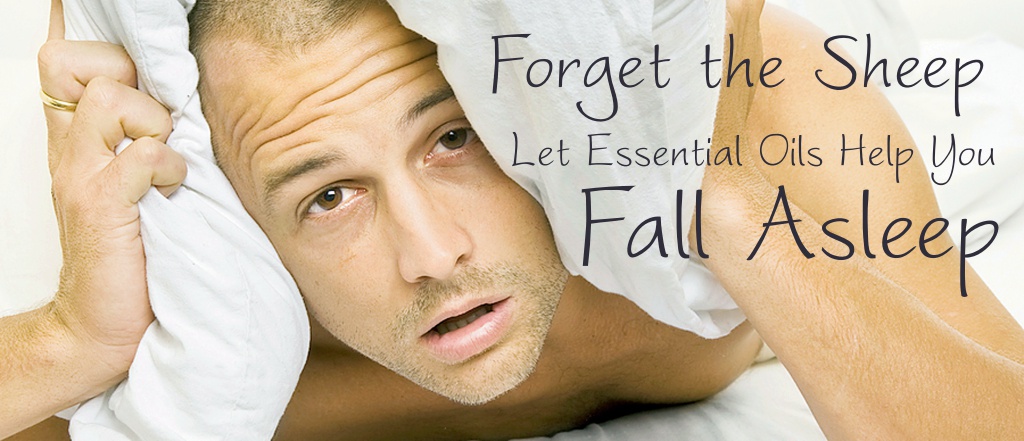
Forget The Sheep, Let Essential Oils Help You Fall Asleep


I often have trouble falling asleep.


Sometimes it gets so bad I end up having insomnia. Counting sheep is a ridiculous exercise – I ended up counting in the hundreds, lost count, then start over again. How infuriating! Reading non-fiction helps sometimes but then again I end up getting a headache from reading in bed.  Not forgetting it makes my already myopic vision worse. Doing household chores is supposed to tire you out, right? Wrong!  OCD that I sometimes can get, that can take all night because one thing always leads to another. Drinking warm milk just doesn’t work. Period. Red wine is quite effective but I ended up drinking more and more and was beginning to wonder if becoming an alcoholic was worth the while.

Then, I discovered aromatherapy.

There’s a certain ‘naturalness’ about the aroma of essential oils that makes them so appealing and assuring. They are also so potent that all it takes is a few drops and, immediately, you can feel its magic at work. Moreover, there’s a wide variety of essential oils to choose from that allows you to personalise your favourite blend but, most of all, they work fast. Many essential oils have been identified as calming capable of inducing sleep. I have compiled a list shown below from what I was able to glean from the Internet.

Essential Oils That Promote Sleep


  • Anise
  • Armoise
  • Basil (sweet)
  • Bay (West Indies)
  • Benzoin
  • Bergamot
  • Caraway
  • Cardamon
  • Cedarwood
  • Chamomile (Roman)
  • Clary Sage
  • Clove bud
  • Cypress
  • Dill
  • Frankincense
  • Geranium
  • Ginger
  • Ginger grass
  • Ginger lily
  • Helichrysum
  • Hinoki
  • Ho leaf
  • Ho wood
  • Hops flower
  • Hyssop
  • Jasmine
  • Laurel leaf
  • Lavender
  • Lemon
  • Lemongrass
  • Mandarin
  • Marjoram (sweet)
  • May Chang
  • Melissa
  • Myrtle
  • Orange (sweet)
  • Patchouli
  • Pine
  • Ravensara
  • Rose
  • Sandalwood
  • Tangerine (especially for children)
  • Tansy
  • Valerian root
  • Vanilla
  • Vetiver
  • Yarrow
  • Ylang Ylang

That’s already close to fifty essential oils to choose from! Some, like chamomile, lavender and sandalwood, are reputed for their calming and relaxing properties while others, such as bergamot and other citrus oils, may not strike you as being particularly sleep-inducing. The answer lies in the amounts used in a blend. Take lavender essential oil, for instance, at a lower dose it is an excellent oil to counter insomnia but, at a higher dose, it becomes a stimulant.

Essential oil blends for aromatherapy need not necessarily be complex. In fact, many single oils are able to do the job just fine. For instance, just 1-2 drops of lavender essential oil on your pillow will take you to dreamland in no time. Alternatively, you may also add 1-2 drops of hops essential oil on a piece of tissue or handkerchief and place it on the underside of the pillow for a good night’s sleep. You could also diffuse the oils before going to bed or treat yourself to a relaxing aromatic bath while finishing it off with an after-bath body oil for that added luxury.

In any case, below are some blending suggestions to help you fall asleep.


Blend #1

  • 14 drops Pine (Swiss Stone)
  • 3 drops Hops
  • 3 drops Clary Sage

This blend is gentle and subtle like the whisper of a lullaby. Ideal for those who prefer a mild aroma.

Blend #2

  • 13 drops Bergamot
  • 4 drops Ylang-Ylang
  • 3 drops Vetiver

This aromatic blend is exotic and alluring like a night-scented stalk.

Blend #3

  • 7 drops Lavender
  • 1 drop Chamomile (Roman)

One of my favourites, this blend is very comforting and relaxing as it quickly cradles you to sleep.

Blend #4 

  • 2 drops Lavender
  • 1 drop Marjoram (sweet)

A harbinger of pleasant dreams, you have to try it to believe it!

Blend #5

8 drops Tangerine
8 drops Frankincense
4 drops Geranium
This blend is light, fruity and floral. It is a happy aroma that puts you in a good mood that takes you to dreamland with a smile on your face.

Blend #6

  • 12 drops Armoise
  • 4 drops Tansy
  • 4 drops Patchouli

This blend has an unusually appealing herbaceous, Oriental character. 

Blend #7

  • 11 drops Cypress
  • 9 drops Ginger
  • 5 drops Lemongrass

This blend has a fresh and green aroma that cleanses the mind and soul before sleeping.

Blend #8

  • 15 drops Hinoki
  • 8 drops Cardamon
  • 2 drops Jasmine (Sambac)

An exotic, spicy-sweet floral blend that is like an oasis of wondrous dreams.

Blend #9

  • 14 drops Orange (sweet)
  • 2 drops Rose de Mai
  • 2 drops Vanilla

An enchanting floral blend that inspires love and romance.

All the above blends can be used as is or as a reference for those of you feeling adventurous or prefer to create your own blends. As before, please feel free to share your thoughts or comments.

Happy blending! 

Monday, February 22, 2016

"It is not the strongest of the species that survive, nor the most intelligent, but the one most responsive to change."
– Charles Darwin

The Man Who Taught Me How To Laugh Again


One of the four leading men in my life, Ed is a brilliant salesman. Quite literally, he can sell snow to an Eskimo. He can even sell you bottled air if he’s so inclined.

Ed and I were acquainted at a social website. We IM for several weeks before deciding to go on a dinner date on a particular weekday. We had agreed to meet at an alfresco cafe for a quick cuppa before adjourning to a nearby Chinese restaurant. I suspect the reason being that if we weren't immediately attracted to each other, we could always use the exit strategy of having to wake up early for work the next day.

On that day, I was early and having a cup of coffee as I waited for Ed to show up. He was late. I remember vividly the moment I saw Ed that I was smiling and thinking to myself, “Ok, I’m just gonna get through dinner and then politely tell him that I've to get up early... And, I would probably never see him again.”

Don’t get me wrong. Ed’s easily the Prince Charming to most gay men – tall, well-groomed and very handsome with a million-dollar smile to boot. Being somewhat of a chauvinist pig, however, I prefer my guy shorter than I because I hate the thought of having to look upward or, worse, tip-toe each time we kiss. I cringed inwardly as I had a mental freeze-frame of myself doing the latter as he approached me apologetically. But, guess what? Ed had exactly the same plan in his head when he first laid eyes on me! So, I guess we had something in common – we were both Shallow Hal.

Then, something quite unexpected and wonderful happened over dinner. Our conversation began cordially enough but, the longer we talked, the more we connected. We joked and laughed so much that we were tearing at one point. Before we knew it, dinner had lasted for more than two hours and, right there and then, I was sold.

After a month and three amazing dates later, we became a couple. Our relationship lasted for four years during which we created many wonderful memories together as we filled our lives with much joy and laughter. Unfortunately, however, besides being obviously worlds apart having little in common, we were privately struggling with our own issues which we didn't know how to involve each other in a meaningful and mutually beneficial way. Instead, we foolishly allowed those issues to adversely affect our relationship and, in the end, we both decided that it was perhaps best to go on our separate ways. Although we're no longer romantically involved, our friendship remained.

It has been four years since we broke up. This year, during Chinese New Year, I decided to pay his family a visit which I thought had been long overdue. Furthermore, it was approaching his birthday and so, I created a perfume especially for him.

I will always treasure Ed for loosening me up, reminding me to not take myself and my life too seriously. From him, I had learned how to laugh again.

Pity, though, he isn't a fan of Erasure.

Saturday, February 20, 2016

putting it together


Now that you know the best essential and carrier oils for different hair types, how does aromatherapy promote fast-growing, strong and luscious hair?

First of all, hair grows from follicles within the skin. The part of the hair inside the follicle (below the skin’s surface) is known as the hair root while the portion protruding from the head is the hair shaft. At the base of the root is the hair bulb where nutrients are received via blood vessels and new cells are formed. These new cells mature and eventually die as they make their way upward along the hair shaft, forming long fibrous chains of protein or what we can see as strands of hair. Within the hair follicle is also the sebaceous (oil) gland which lubricates the hair, keeping it healthy and shiny. Each strand of hair consists of three layers: an outer layer called the cuticle, a middle layer called the cortex and, usually, a central ‘core’ called the medulla. A medulla is almost always found in coarse hair and is often absent from naturally blonde hair or very fine hair.

Some essential oils stimulate blood circulation, increasing the flow of nutrient-carrying blood to the hair bulb and, therefore, increasing the rate of cell formation. Other essential oils have antioxidant properties that slow down cell degeneration or astringent properties that regulate oil production. The important thing is essential oils penetrate the skin, cuticle, cortex and medulla easily and rapidly where they nourish and fortify them.

Before we dive into it, there is one thing you ought to be aware of and that is you need to be patient when it comes to Aromatherapy. Unlike harsh harmful chemicals, natural vegetable and essential oils work at a slow but steady pace so you have to allow at least several months to see any real improvement. Rest assured, though, that there will be good results just like Nature always does when she heals vast lands ravaged by years of war, for instance. Right, let’s get on with it.

The Recipes


1. For Normal Hair


The essential oil blend:

  • 5 drops lavender
  • 3 drops rosemary
  • 2 drops thyme

The vegetable oil blend:

  • 20 ml (4 tsp) sweet almond oil
  • 5 ml (1 tsp) jojoba oil

Depending on the length of your hair, the vegetable oils can increase at the rate of 4:1 ratio.


2. For Dry Hair


The essential oil blend:

  • 12 drops myrrh
  • 9 drops geranium
  • 6 drops sandalwood
  • 3 drops rose otto

The vegetable oil blend:

  • 35 ml (7 tsp) argan oil
  • 15 ml (3 tsp) avocado oil
  • 10 ml (2 tsp) camellia oil

Adjust the amounts of argan and avocado oils to suit the dryness of your hair.


3. For Oily Hair


The essential oil blend:

  • 8 drops basil
  • 8 drops sage
  • 7 drops lemongrass
  • 7 drops patchouli

The vegetable oil blend:

  • 30 ml (1 oz) grapeseed oil
  • 30 ml (1 oz) hazelnut oil

Hazelnut oil is the only vegetable oil with substantial astringent property. Aloe vera oil may also be used as a substitute.


4. For Maturing Hair


The essential oil blend:

  • 7 drops virginian cedarwood
  • 7 drops bergamot
  • 6 drops clary sage
  • 6 drops carrot seed
  • 2 drops helichrysum
  • 2 drops peppermint

The vegetable oil blend:

  • 30 ml (1 oz) emu oil
  • 15 ml (½ oz) rose hip oil
  • 15 ml (½ oz) amla oil

Other oils to consider are camellia oil, oat oil, strawberry seed oil, sunflower seed oil and tamanu oil.


5. For Dark & Thick Hair


The essential oil blend:

  • 10 drops lavender
  • 10 drops rosemary
  • 10 drops ylang-ylang

The vegetable oil blend:


  • 20 ml (4 tsp) jojoba oil
  • 20 ml (4 tsp) coconut oil
  • 20 ml (4 tsp) sesame oil


6. For Eliminating Dandruff


The essential oil blend:

  • 10 drops tea tree
  • 9 drops virginian cedarwood
  • 8 drops eucalyptus
  • 3 drops lemon

The vegetable oil blend:

  • 20 ml (4 tsp) amla oil
  • 20 ml (4 tsp) neem oil
  • 20 ml (4 tsp) olive oil

This combination may not smell as pleasant but is nonetheless effective so adjust according to your preference. Take care to not increase lemon essential oil due to its drying and photosensitive nature. Avoid using it as a hot oil treatment due to higher volatility of the essential oils.


7. For Treating Hair Loss/Alopecia Areata


The essential oil blend:

  • 7 drops lavender
  • 7 drops cypress
  • 6 drops sea buckthorn
  • 4 drops clove bud
  • 2 drops german chamomile
  • 2 drops helichrysum
  • 2 drops peppermint

The vegetable oil blend:

  • 20 ml (4 tsp) emu
  • 15 ml (3 tsp) jojoba
  • 10 ml (2 tsp) amla
  • 10 ml (2 tsp) rosehip seed
  • 5 ml (1 tsp) carrot infused oil (in jojoba)

Alopecia is a difficult condition to treat and so, naturally, is the complexity of the blends and the types of oils to be considered. Use thrice weekly for 6 to 7 months and monitor closely the results.

That wraps up the entire series on Hair Care with Aromatherapy. I hope that this series has been helpful to you and inspires you to explore the many benefits that essential and vegetable oils have to offer. Please feel free to leave any comment or suggestion.

Happy blending!

Sunday, February 14, 2016

happy valentine's day


In celebration of Love in all its forms: love between lovers past & present, within the family, among friends, for Mankind and most of all for Oneself because (to borrow a line from the Beatles) “Love is all we need.”

Happy Valentine’s Day to one and all.

Friday, February 12, 2016

can cooking oils make hair fabulous? but of course!

So far, a lot of attention has been given to essential oils. But did you know that that fixed/carrier oils (many of them are derived from seeds) are equally important too?

True, there may not be as many types of them when compared to essential oils but these vegetable-based oils (mainly seeds) are so jammed packed with essential fatty acids like omega-3, omega-6 & omega-9, vitamins, vegetable proteins, minerals and antioxidants (don’t you just love that word?) that they simply cannot be overlooked.


Let’s take a closer look at some of them and understand why they are so important for maintaining strong, healthy and fabulously silky-smooth hair.

1. Sweet Almond Kernel Oil

Rich in essential fatty acids, vitamins A, B1, B2, B6, and E, Sweet Almond kernel, prunus amygdalus dulcis, oil helps condition, nourish, and soften hair. It promotes strong, healthy growth and takes care of those unwanted split ends and dandruff. Regular use of Sweet Almond oil on hair and scalp restores healthy lustre and promotes hair growth and is, therefore, a wonderful and inexpensive way to treat hair loss.

2. Amla Fruit Oil

Also known an Indian gooseberry, Amla fruit, phyllanthus emblica, oil has been used in Ayurvedic medicine to treat all kinds of hair problems for centuries. Rich in iron, beta-carotene, calcium, phosphorus, vitamins B, C, polyphenols, flavonoids, protein and essential fatty acids, amla oil not only smooths and strengthens hair follicles but also helps to treat alopecia, dandruff and even scalp psoriasis. It’s antioxidant and anti-inflammatory properties are perfect for inflamed scalp conditions and slows greying hair. Amla oil promotes luster and shine so it’s the perfect solution for dull, lifeless hair. Due to its natural musky aroma, use Amla oil only at night before bedtime or when you aren’t planning on heading out immediately.

3. Argan Kernel Oil

Not only does Argan kernel, argania spinosa, oil work famously for the skin, it also promotes soft, silky hair with a lustrous, beautiful shine. It penetrates deep into the scalp to moisturize and replenish nutrients to hair roots, prevents breakage of hair follicles by keeping them strong and nourished, promotes hair growth and, thus, is a great choice for the treatment of alopecia. Argan oil is rich in essential fatty acids, vitamin E, natural squalene and phytosterols.

4. Avocado Kernel Oil

If you are suffering from dry, dehydrated and sun damaged hair, try Avocado kernel, persea gratissima, oil. Rich in vitamins A, B1, B2, E, lecithin, pantothenic acid, omega-3, omega-6 and omega-9 fatty acids, Avocado oil is the choice for dry, damaged, brittle hair. It penetrates deep into the scalp to nourish hair roots and hair shaft to strengthen hair follicles.

5. Camellia Seed Oil

Packing a whopping 85% in omega-9 acid, no other vegetable oil has as much oleic acid as Camellia seed, camellia oleifera, oil. It is also rich in vitamin E (tocopherols), polyphenols and antioxidants. Camellia oil is a must-have for dry, brittle, damaged, dehydrated hair and scalp as well as for the treatment of alopecia. It conditions and protects hair and scalp while promoting hair growth, improving lustre and slowing down the effects of ageing.

6. Rosehip Seed Oil

You’ve heard of the many wonderful benefits of Rosehip seed, rosa rubiginosa, oil for the skin. What about for the hair? Rosehip seed oil is rich in beta-carotene, lycopene, omega-3, omega-6, omega-9 fatty acids, antioxidants, vitamins A and E. It penetrates deeply and rapidly, highly moisturising and promotes elasticity thereby conditioning and strengthening hair and scalp, preventing hair loss while restoring healthy shine to damaged, brittle and dehydrated hair. It is also useful in the treatment of inflamed and itchy scalp, scalp psoriasis and alopecia.

7. Emu Oil

You may find it strange to include this animal based oil but it is an amazing one that cannot be ignored! First of all, I beg your indulgence for a brief introduction of the oil. Emu, dromaius novaehollandiae, oil is rendered when the farmed bird, a flightless bird indigenous to Australia and related to the ostrich, is butchered for its red meat. The processed oil is a mixture of monounsaturated, saturated and polyunsaturated fatty acids, 70% of which being the heart-protecting variety. It is deeply penetrating, highly moisturising and will not irritate even the most sensitive of skin. Touted as the oil for alopecia, Emu oil is effective against dry, brittle, damaged and dehydrated hair, inflamed and itchy scalp, scalp psoriasis, thinning hair and hair loss.

How to Use Them

Massage oil directly into scalp and leave it on for 20 minutes, an hour or even overnight. Wash hair afterwards.

For a hot oil treatment, pour the amount required in a clean container and placed it in a larger bowl filled with hot water for 10 minutes before applying it to hair and scalp. Wrap your head with a hot towel for 15-20 minutes before shampooing.

Alternatively, massage unheated oil into hair and scalp, wrap your head with a hot towel and enjoy a nice 15-20 minute relaxation in a sauna or steam room where available (at the gym or health centre for example). Shampoo it off when you’re done.

All the above oils can be found at your local health stores or online. They are inexpensive and so easy to use. Once you begin to see and feel the benefits, you’ll never want to spend hours and hundreds of dollars in a salon again.

Tuesday, February 9, 2016

le parfum de l'orient

Painting: Hasegawa Tōhaku Pine Trees

Have you ever wondered what makes a scent “Oriental” and how does it differ from being merely “exotic”? What are some examples of Oriental fragrances?

Definition

Oriental scents are predominantly “amber” having an opulent bouquet that is warm, sensual and intoxicating while “exotic” simply means originating from a foreign country. Oriental scents often contain musk, vanilla, exotic resins, wood, flowers and spices. Oriental scents are classified into five subgroups:

  1. Oriental Floral - sweet, warm & spicy e.g. gardenia, orchid, carnation
  2. Oriental Spicy - hot & sensual e.g. cinnamon, clove, nutmeg
  3. Oriental Vanilla - intensely sweet e.g. vanilla, caramel, honey
  4. Oriental Woody - warm & dry e.g. sandalwood, vetiver, cedar
  5. Oriental Fougere - exotic blends refreshed with lavender, rosemary or oakmoss
Painting: Li Jun Spring Flowers and Birds

An Eastern Perspective

Coming from the East, besides the obvious geographical origin of the plant from which the scent is derived, an Oriental scent, in my humble opinion, more than anything else, reflects our Way of Life in terms of how they appear in our food, rituals and customs, or how they scent our homes, gardens and places of worship, etc. So, many Asians, like myself, appreciate them in very different ways compared to our Western counterparts. After all, in most, if not all, of the literature that I’ve encountered on the internet, we’re looking at scents through the (olfactory) lens of the West.

Before I begin sharing about scents which I find quintessentially Oriental, I would like to stress that this is my personal opinion only and anyone is free to dispute or disagree with me. So, here it goes, the [scent]uary’s list of Oriental scents.
  • Agarwood
  • Aglaia flower
  • Angelica root
  • Anise star
  • Buddha wood
  • Cardamom
  • Champaca
  • Cumin
  • Cyclamen
  • Cypriol
  • Euphorbia
  • Fenugreek
  • Frangipani
  • Frankincense
  • Gardenia
  • Ginger
  • Henna leaf
  • Hiba
  • Hinoki
  • Jasmine
  • Kaffir lime leaf
  • Lemongrass
  • Lotus
  • Mandarin
  • Mimosa
  • Myrrh
  • Nutmeg
  • Osmanthus
  • Patchouli
  • Sandalwood
  • Shiso leaf
  • Gandhi root
  • Vetiver
  • Ylang-Ylang
  • Yuzu
This list is by no means exhaustive nor definitive. What I do hope, however, is that it helps you narrow down your choices if you’re considering making an Oriental fragrance. So, happy blending!